BİZ METHOD

Body. Relationship. Mind.
A bottom-up view of the construction of self.

A neurobiologically grounded developmental and clinical intervention model shaped by more than 30 years of pediatric practice together with the neurobiology of self, Ayres Sensory Integration, DIR Floortime and Polyvagal Theory.

“A child is not shaped through commands; they discover their own agency through the body’s first encounter with gravity.”
MINDIdeation · Agency · Autobiographical Memory
RELATIONSHIPActive Witnessing · Co-regulation · Safety
BODYGravity · Sensory Modulation · Proprioceptive Grounding
SELF
CONSTRUCTION
THREE CORE LAYERS

Development is not built through top-down commands, but through bottom-up experience.

Traditional approaches often focus on symptoms and try to guide the child from the outside. The BİZ Method reverses that direction: it addresses the nervous system’s need for safety through the body and sensory experience, establishes safety in relationship, and creates the conditions for the child’s own agency to emerge.

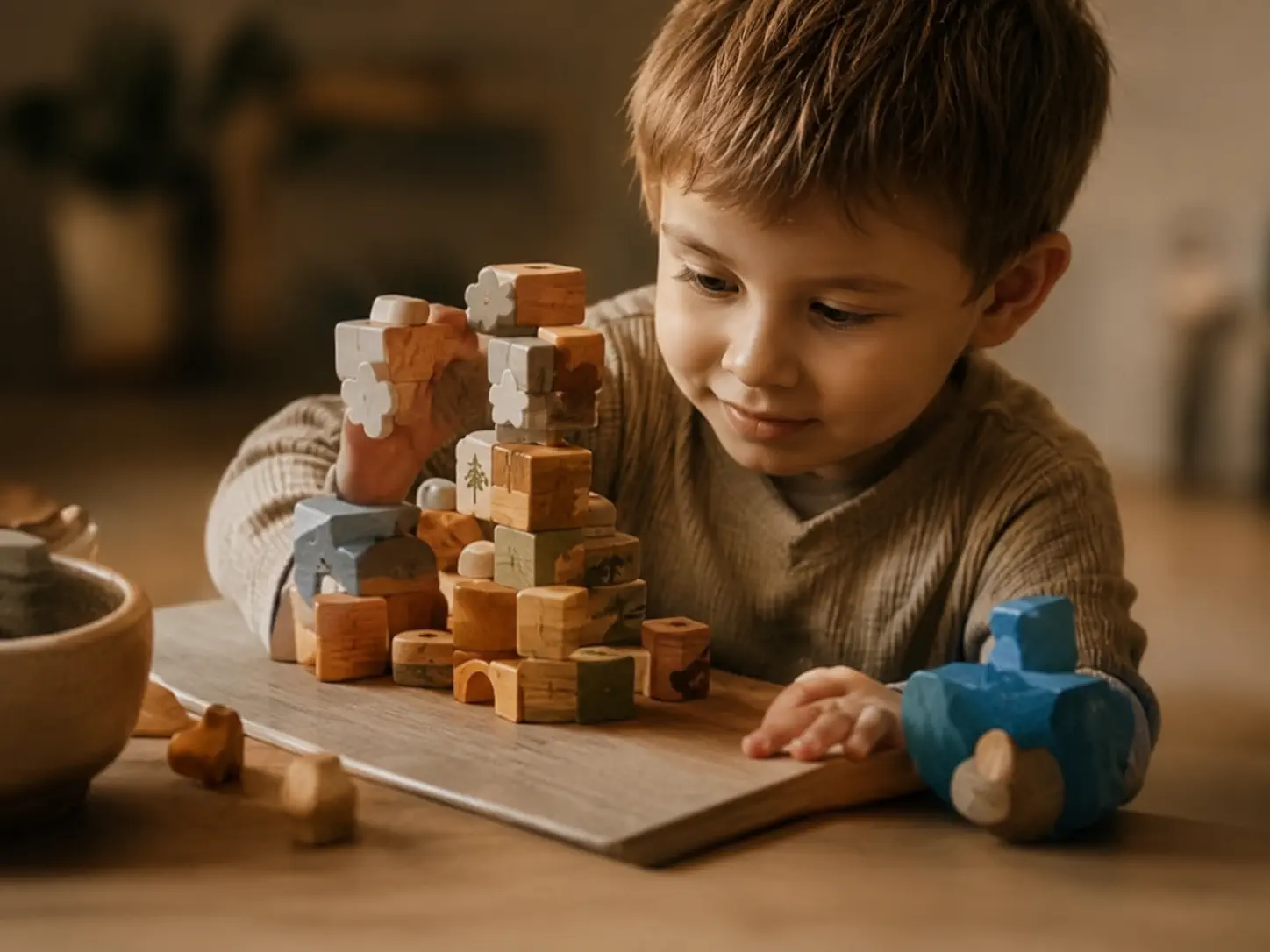
01

Body — Physical grounding and gravity

Development and consciousness begin not with abstract thought, but with how the body organizes itself in relation to gravity. Vestibular and proprioceptive organization provide the physical basis for regulation and attention.

02

Relationship — A safe base and active witnessing

The therapist is not someone who makes the child perform. The therapist becomes a safe other who helps reduce neuroceptive threat, observes without judgment and offers protective boundaries when needed.

03

Mind — Agency, ideation and learning

When the body feels safe and relationship is established, the child can begin to generate motor intention, develop ideas and experience ownership of the consequences of their actions.

DISTINGUISHING PRINCIPLES

There is movement — but is there an idea?

Space is created for the child’s own intention to emerge; impulsive movement is distinguished from intentional action and clinical gains are carried into family and school life.

Explore BİZ training programs →